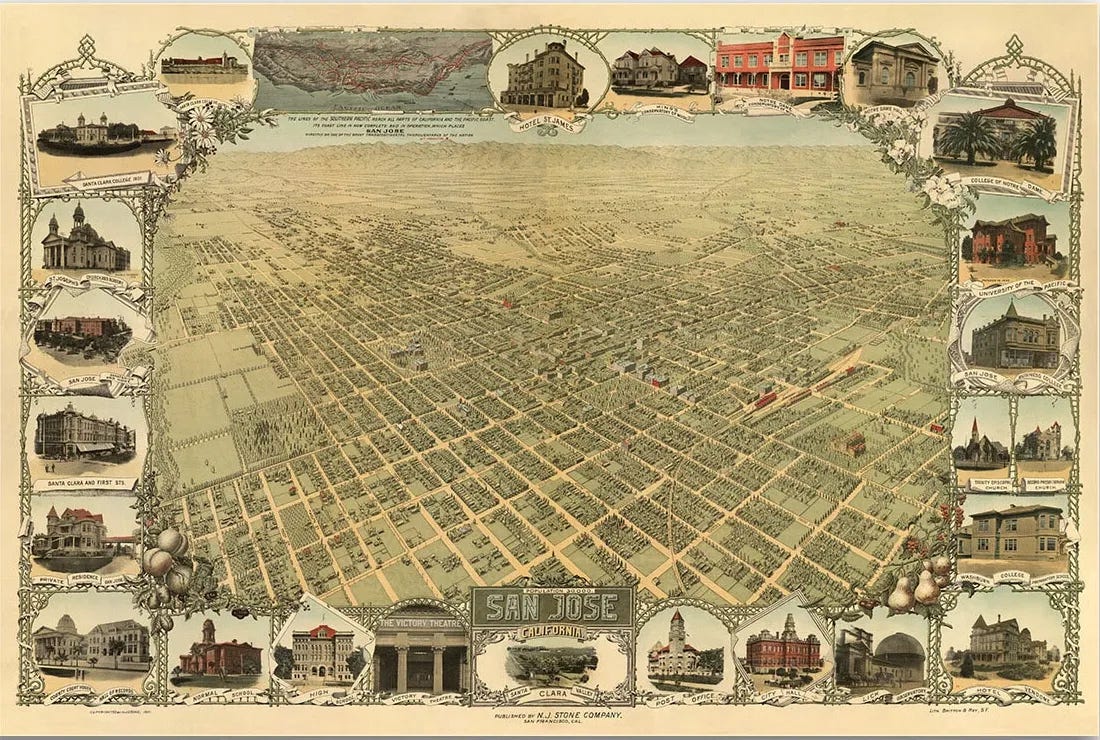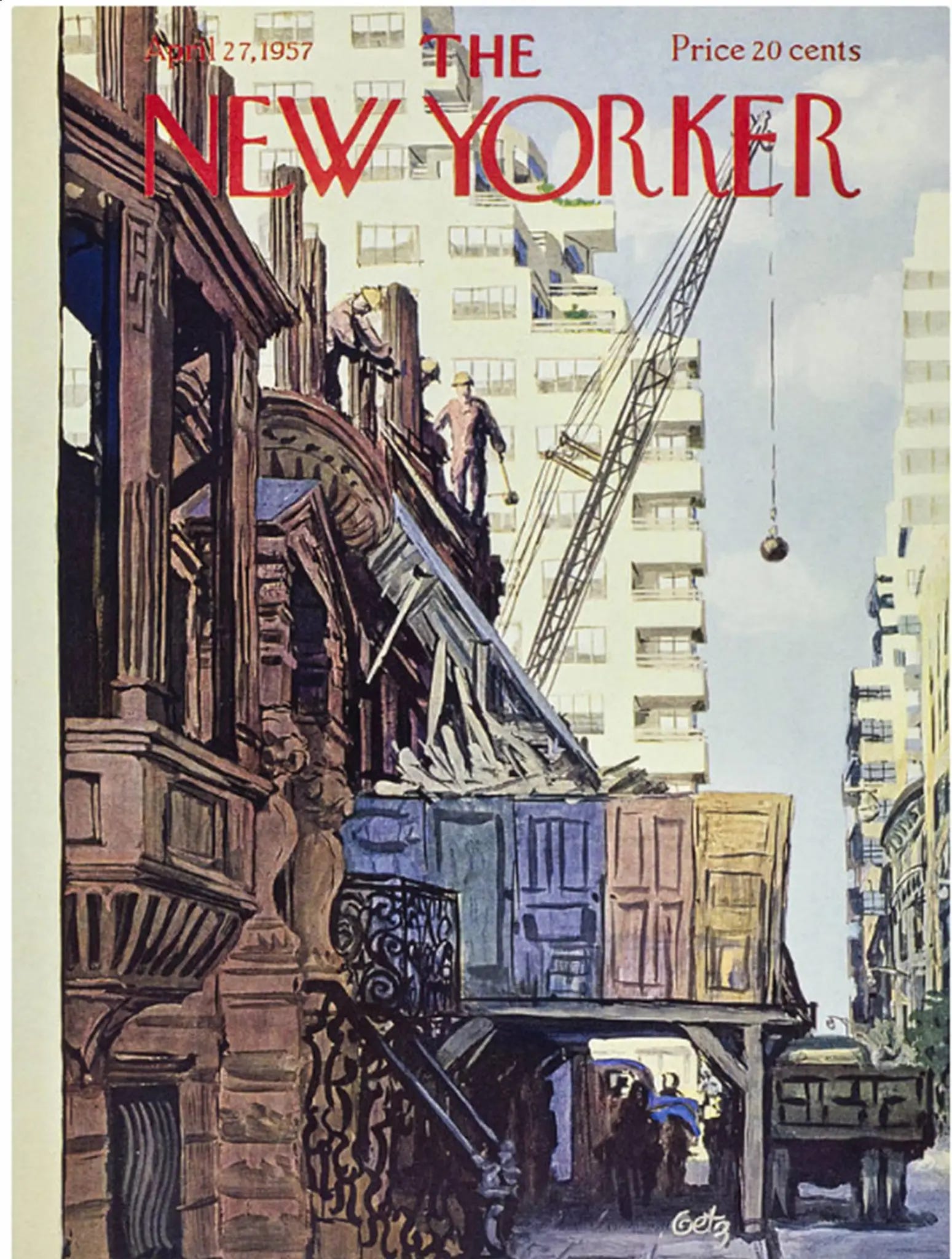
Every major city that adopted its budget during the past several weeks found a way to close its shortfall while preserving the missions, goals, and activities that define the status quo.
New York City confronted a multibillion-dollar fiscal challenge. Los Angeles closed a nearly billion-dollar gap. Chicago adopted a budget after confronting another massive deficit. San Jose resolved a roughly $50 million shortfall while acknowledging that deeper structural problems remain. Oakland reopened its two-year budget to address a roughly $265 million gap while continuing to wrestle with insolvency concerns.
In each case, elected officials eventually did what they were charged to do: they adopted a budget. And with that, the status quo was preserved for another year.
The budget-balancing tactics varied somewhat. New York relied on new taxes and massive state support. Los Angeles reduced headcount and cut spending. Chicago relied on spending reductions and tax measures. San Jose froze positions and drew down reserves. Oakland eliminated vacant positions and raised taxes and fees. Each approach had its own flavor of pain, but they shared the same pattern: find money somewhere and use it to continue doing what the city was already doing.
The same pattern plays out in smaller cities across the country, only on a different scale.

But why do the same fiscal problems keep returning? Why are large budget deficits so common?
Over the years, I championed the reforms commonly associated with good government and sound financial management: better budgeting, greater transparency, improved accountability, performance measures, efficiency initiatives, better incentives, and more.
These reforms certainly address relevant issues. Yet they have failed to improve the fiscal stability of local government. If such reforms were sufficient, we would expect better results.
At some point, I discovered that these efforts were aimed at symptoms rather than the sources of chronic budget scarcity.
Organizations are defined by what they do and how they do it. Conventional reform efforts focus on improving how a city does what it does—its execution.
But that leaves a more fundamental question largely untouched:
Why does the city do what it does?
Consider the mission statements adopted by local governments.
The City of Ranson, West Virginia states its mission this way: “Our mission is to maximize services to our customers in the most cost efficient manner.”
San Jose’s mission speaks of creating a “great place to live, work, learn and play.”
Neither statement provides a principled basis for determining where governmental responsibilities begin and end.
The problem is not merely their breadth. It is that they assume an unbounded role for government. What goals and activities do such missions include and exclude?
Across the country, mission statements read like aspirational poetry—broad enough to encompass almost anything and precise enough to exclude almost nothing.
These missions incorporate no limiting principles.
They are blank checks.
And accounts that issue blank checks cannot be balanced.

If a city’s mission excludes nothing, it limits nothing. Any goal that purports to improve any aspect of the community acquires a presumption in its favor. As goals proliferate, so do the activities required to fulfill those goals. And those activities drive costs.
Eventually, budget pressures emerge and attention turns to cost-cutting, oversight, incentives, operational improvements, and countless other efforts to improve how the organization does what it does.
Such issues matter. But they arise downstream from a more fundamental question:
What should the city do, and why?
Mission statements do more than describe goals. They embed assumptions about what government is, what it should accomplish, and how broadly its powers should be employed.
Those assumptions are often implicit rather than explicit.
Which raises another question:
Should we acknowledge what government is before deciding what it should accomplish?

Government possesses powers that individuals do not. It can tax. It can regulate. It can compel. Such powers require justification. The nature of these powers should inform how broadly they are employed. And the consequences of misapplying such powers are not merely financial.
Some governmental activities are essential because they define and protect rights and establish the conditions in which people can freely pursue their goals and values.
But every commercial and charitable activity government undertakes consumes resources and displaces private initiative, investment, innovation, entrepreneurship, and voluntary cooperation that might otherwise emerge through residents, businesses, charities, churches, and civic associations.
When government assumes broad and unbounded missions, it becomes easy to substitute political solutions for voluntary ones.
The result is not simply higher spending and taxation. It is the crowding out of institutions, relationships, investment, innovation, and problem-solving capacity that create wealth, solve problems, and strengthen communities outside of government.
Over time, I came to see that questions about mission and scope point to still deeper questions about the relationship between government and the people it serves.
Does the city exist as a means to the ends of residents and business owners, providing the political environment in which they can freely pursue their goals? Or are residents and business owners the means through which the city pursues goals detached from their own?
Those questions changed how I viewed many of the reforms I had spent years advocating.
I still believe budgeting methods, transparency, accountability, and efficiency matter. But I no longer believe they can solve problems whose sources lie upstream in missions, goals, and activities rather than in the execution of those activities. In other words, improving how an organization does what it does cannot compensate for an unbounded scope of activity and purpose.
The relationship between government and the people it serves points to something even deeper.

If a city is considered an end rather than a means to the ends of residents and business owners, conventional financial reforms can only take us so far. At best, they manage symptoms. At worst, they encourage us to perfect the administration of an ever-expanding mission rather than reconsidering the mission itself.
In that sense, they can reinforce the very way of thinking that gave rise to the problem in the first place.
If broad aspirations are accepted as the mission, then every activity defended by appealing to a purported desirable outcome acquires a presumption in its favor.
Every new activity creates new constituencies. Every new constituency invites new costs. Under such a framework, budget scarcity is inevitable. And this is how cities across the country now operate.
By accepting the premise that government should address every aspirational outcome and then focusing our efforts on administering that ever-expanding mission more efficiently, we leave the source untouched.
No budget process can solve a problem created by an unlimited mission.
But chronic budget scarcity is not embedded in the nature of city government. It is the predictable consequence of an unbounded mission pursuing open-ended goals and activities through the special powers of government. Perhaps that explains why large budget deficits are so common and why cities so often find themselves back in fiscal crisis mode.
Year after year, elected officials do what they are charged to do. They adopt budgets. The immediate crisis passes. The status quo is preserved. And before long, the cycle begins again.
Cities do not need bigger budgets nearly as much as they need clearer missions.
And clearer missions require prior answers to questions we have not been asking:
What is a city, and what is it for?
Does a city exist as a means to the ends of residents and businesses?
Or do residents and businesses exist to serve the goals of the city?