
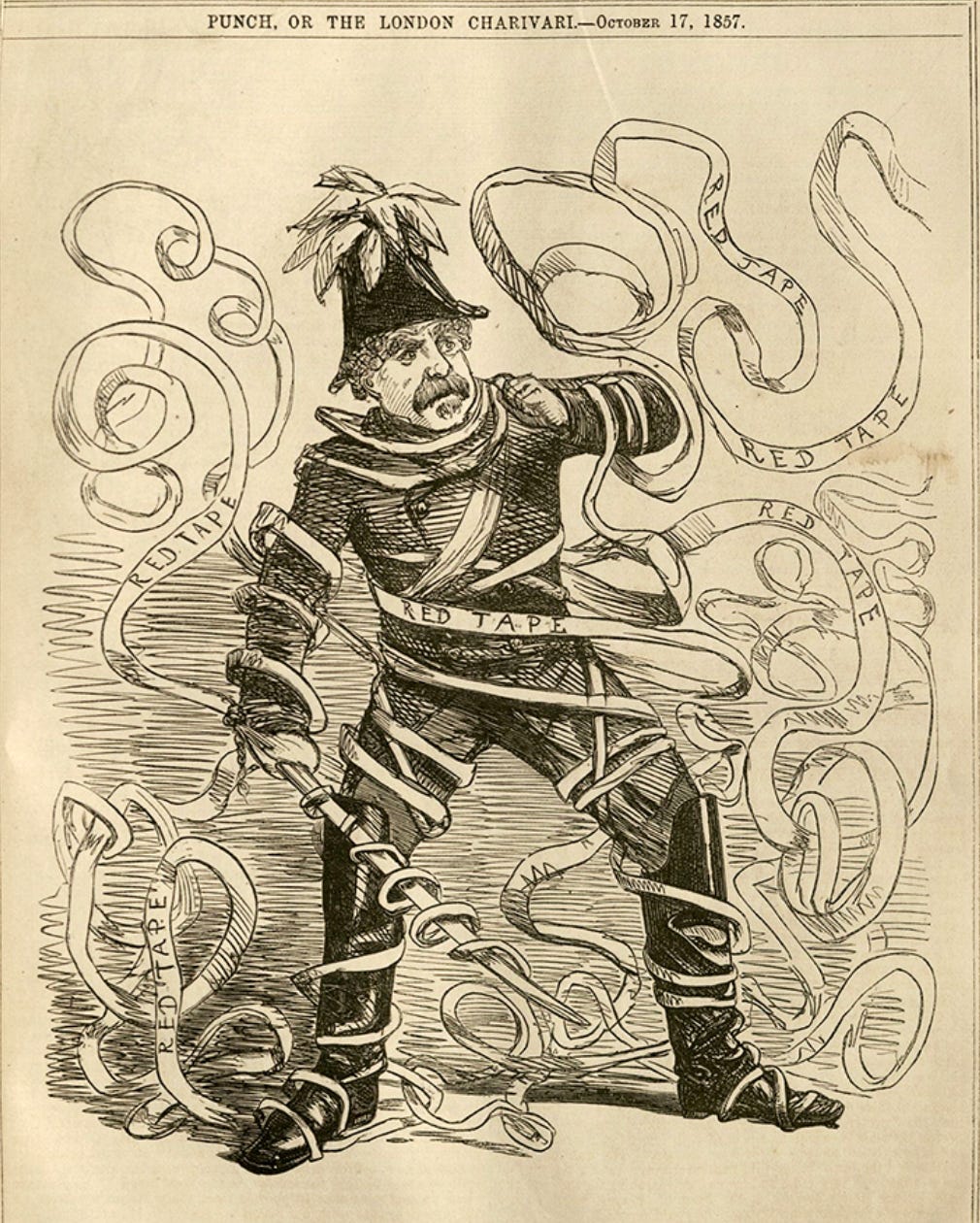
Inspired by the federal DOGE initiative, many state and locally focused groups started their own attempts to promote a more efficient government. In February 2025, Carl DeMaio’s Reform California announced a DOGE-inspired effort to audit government spending.
The idea predates DOGE. In his 2021 campaign for New York City mayor, Eric Adams promised that “we will mandate efficiency.” His April 29 questionnaire proposed spending reductions, coordinated performance measures, and an Efficiency Czar. He also proposed defining agency missions and eliminating ineffective programs while protecting those vital to lower-income residents.1
New York City’s Commission on Government Efficiency has now launched “Vote on Faster Government,” a public education campaign about five charter proposals on the November 2026 ballot. They include changes to city contracting and construction permitting.
Certainly, reducing unnecessary administrative costs is worthwhile. Also, concerns stemming from unchecked government growth and serial tax increases are understandable. To help DOGE-inspired as well as other efficiency efforts succeed, we need to first ask: What are we assuming when we make a governmental activity’s efficiency a goal?
What We Assume When We Pursue Efficiency
First, when we make efficiency a goal, we are assuming that the activity being streamlined is an appropriate governmental activity. What is the point in improving an activity that the organization should not be doing? We accomplish little when we implement a slick online tee reservation system for a golf course with a deteriorating clubhouse and general fund subsidies required to cover operating costs. Or take AI-assisted code enforcement. Before streamlining enforcement of ordinances that have never been enforced, we need to ask whether enforcing them would further the city’s role as rights protector.
Secondly, when we make efficiency a goal, we risk treating it as the primary consideration rather than one amongst many. For example, do we really want our city council to become more prolific at creating new local ordinances, in the absence of clear justification? Do we really want our police to make more arrests at the expense of due process? Do we really want our courts to move more quickly at the expense of justice?
Finally, when we make efficiency a goal, we are assuming that the city is organized in a way that makes improvements possible. Here is where many cities fall short. City job descriptions and labor agreements are not designed with efficiency in mind. Municipal jobs are often defined by an assemblage of tasks, rather than a broad job function. Schedules and conditions of work are codified in the labor agreements. Significant changes in service delivery methods are not contemplated, other than to trigger requirements to meet and confer or negotiate changes to the way work gets done.
Such a labor structure impedes improvements to work processes and technology implementation. Rarely have I seen someone who ran for office on a platform of efficient government enter office with a solid understanding of what changes could be implemented by management without extended negotiations with the labor units.
When City Hall Orders Soccer Uniforms
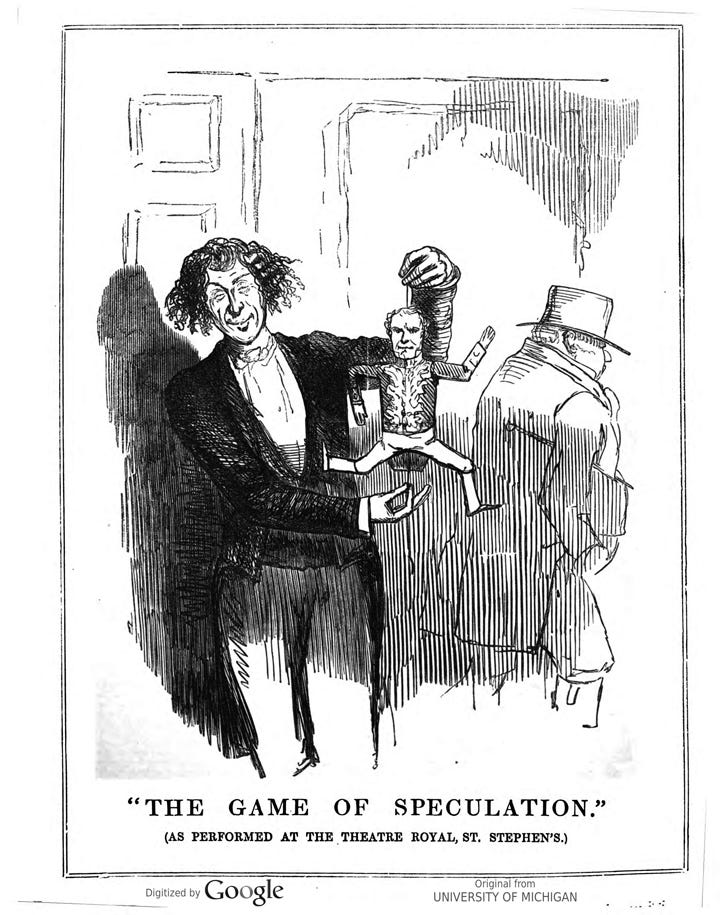
Some apparent inefficiency comes from using city government for activities that do not require its legislative or enforcement powers. Take recreation. When I was a finance director, I used to have run-ins with a recreation department director who struggled to follow the city’s purchasing rules. She could not understand why she had to follow all of the bidding procedures and other rules simply to order soccer uniforms for the teams. She was right. A non-profit organization would not submit to such a bureaucratic process once it established the value for the uniforms.
The recreation director also didn’t like to be reminded of the subsidy that the recreation department received from the general fund, which amounted to about forty percent of the total recreation budget. Again, she had a point. A large part of this number was due to the rules and requirements of operating a city that transmit little value to the operations of a recreation department.
There is a good reason for the overhead that comes with operating a municipality. Open meetings, public information requirements, and public purchasing procedures are appropriate for a public agency. But running a commercial or quasi-commercial activity through such a bureaucracy adds unnecessary overhead and fruitless procedures.
What Should Government Be Doing?
So which activities belong in city government? Where does efficiency fit when residents’ and business owners’ rights are at stake? And what must change to make improvements possible?
We can begin by examining each of the city’s activities against a common standard: does it require the city’s legislative and enforcement powers to protect rights? That gives us a basis for deciding which activities belong in city government.
Within that scope, the city still needs to consider the resources used in its legislative and enforcement work. Protecting rights remains the standard; using fewer resources is an improvement only when that protection is preserved.
Making efficiency possible also requires examining the labor agreements, job descriptions, and work arrangements that govern how the work gets done. Where those arrangements prevent managers from implementing improvements, they need to change before an efficiency goal can amount to much.
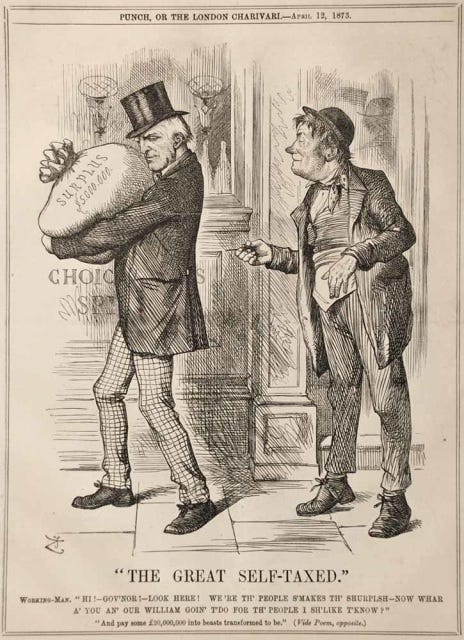
We have to be thoughtful about how and when we go after efficiency. Better gas mileage doesn’t help much when you’re driving in the wrong direction.
Perhaps we need a Department of First Things First.
Source notes:
Reform California, “Reform CA Launches Effort to ‘DOGE’ CA,” February 27, 2025.
New York City Commission on Government Efficiency, public education campaign announcement, September 15, 2026; adopted final report, July 23, 2026. Five charter proposals for the November 2026 ballot. Checked October 12, 2026.
Eric Adams, Citizens Union 2021 Candidate Questionnaire—New York City Mayor, dated April 29, 2021, response 2, fifth PDF page.