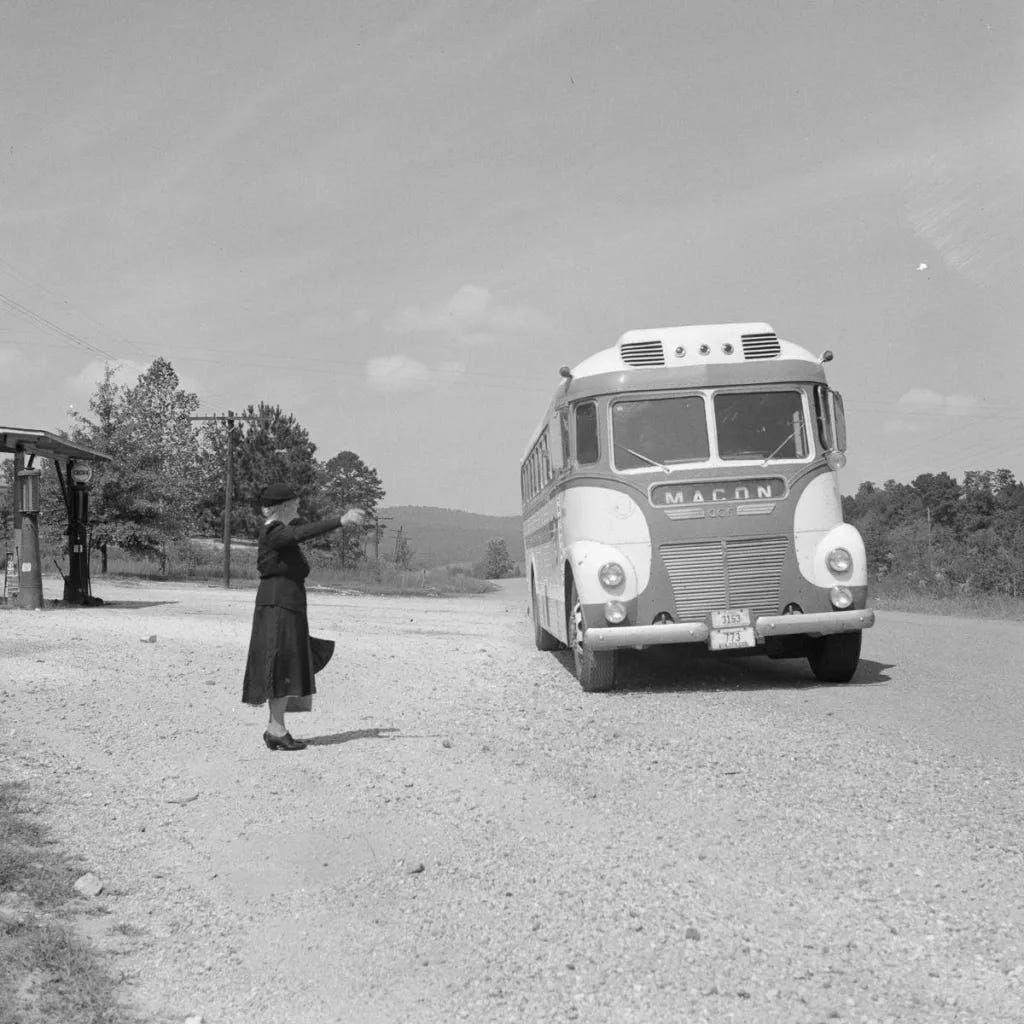
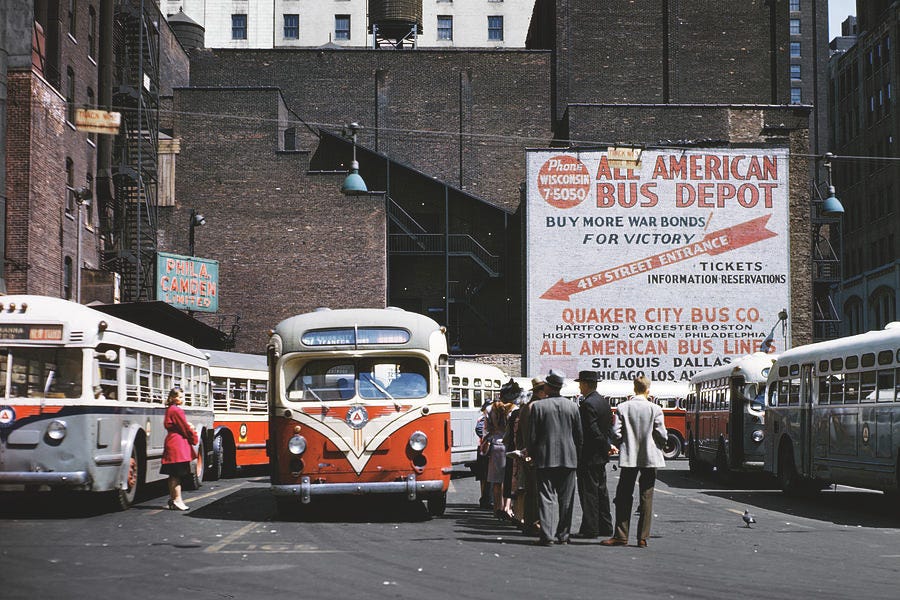
Bus ridership at Dallas Area Rapid Transit (DART) peaked forty years ago.
In August 1986, DART reported average weekday bus ridership of 199,000, and the agency had not yet laid a mile of track. It has since built a regional line to the airport and 93 miles of light rail — which DART still calls the longest such system in the country. DART’s 2025 annual report puts average weekday boardings across the system at 171,000. Before the pandemic, DART reported 220,000.
Ridership remains below its pre-pandemic level, and DART’s focus now is retaining its city members, not its riders.
Highland Park voted 70 percent to leave DART on May 2. DART service ended May 14. The town replaced its bus route and its paratransit service with on-demand vans, under a six-month contract of less than half a million dollars. It will also keep sending DART half of its local sales tax, about $9 million a year, against an exit obligation DART estimates at $30 million to $40 million — about four more years of it.
The DART service stopped. The payments to DART did not.
What kind of tax and debt structure absorbs a ridership decline and still bills a town that voted itself out?
The Risk of Loss Used to Be a Private Concern
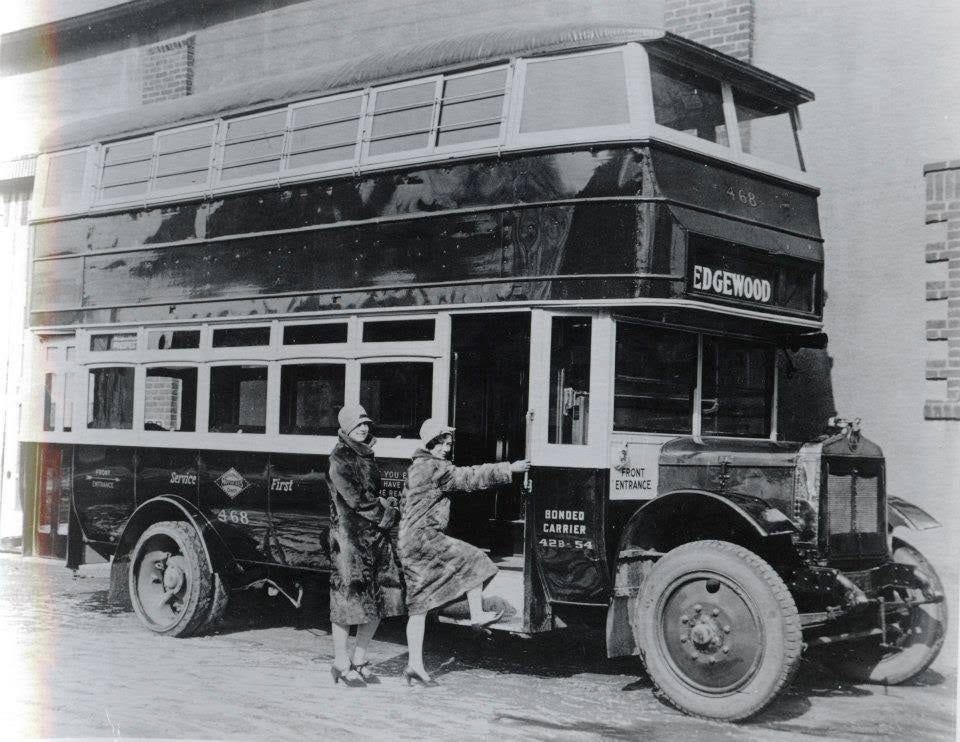
In January 1931, the Texas Electric Railway went into receivership, unable to cover the interest on its bonds. The reorganization swapped those bonds for common stock, and the cars ran another eighteen years. When the stockholders voted to quit in 1948, the wind-up took seven years, but there was a way to do it. Whether anyone rode was the lenders’ problem, and when enough people stopped, it was their loss.
None of that made Dallas transit a free market. The city’s last private bus company, the Dallas Transit Company, held a franchise, and a franchise is a negotiation: the operator petitions the city council to raise a fare or drop a route, and in exchange the council keeps competitors off city streets. In January 1964, the city purchased it for $5.5 million because the service had become inadequate. The private operator bore the losses, but it did not control all the decisions that determined them. Public ownership removed that distinction.
The City of Dallas paid for the bus company with revenue bonds secured by the system itself, and within thirteen months the council was setting fares for a system it owned. One relationship survived the sale: the debt still depended on what the system earned.
In August 1983, voters in fourteen cities approved a one percent sales tax — half of what state law lets local governments collect — to create DART and fund an $8.75 billion program: double the region’s bus service in three years and build 160 miles of rail by 2010. The program had completion dates, but DART did not. The statute grants DART perpetual succession — statutory immortality.
A bond trustee has stood between the rider and the service in Dallas since 1964. What changed in 1983 is what it holds as collateral: not the flow of fares, but a claim on half the local sales tax, paid by everyone, rider or not. The cities were called “members.” On the financing side, their tax base had become the collateral.
Now the Cities’ Tax Revenues Are the Collateral
DART’s master debt resolution routes the sales tax from the state comptroller straight to a bond trustee, which funds the debt service before releasing anything to DART. Fares are pledged too, but only as a backstop. The test for issuing more debt is that projected sales tax cover twice the resulting annual bond payments. Ridership is not a consideration.
A KBRA analyst told The Bond Buyer that the legislation “ensures full and timely payment of debt service regardless of whether one or more member communities opts to withdraw.”
Total debt reached $4.04 billion at the close of fiscal 2025, on a schedule running to 2058. DART’s own executive committee calculates each withdrawing city’s share of it, and new borrowing raises that price for the twelve cities still inside. Voters rejected bonds for the rail program in 1988, approved $2.9 billion in 2000, and have not been asked since. The debt that locks them in grows without them.
No Price and No Competitors
DART charges riders a price that does not have to cover the service’s cost. Its most recent annual report puts fare revenue at an average of 82 cents a boarding against an operating cost of $14.47 that counts neither depreciation nor interest. Ridership never has to justify a route, a station, or a rail line, because the money that pays for them arrives either way.
While state law does not prohibit a member city from providing its own transportation service, that permission is exceedingly difficult to exercise when DART occupies half of the two percent local sales-tax capacity allowed by state law. Arlington, which never joined, buys on-demand rides under a contract it can rebid, and pays for transportation once. Highland Park currently pays for it twice. Missing is any way to compete against an 82-cent ride without the tax room to pay for it.
The Cost of an Early Check Out
An agency whose debt is secured by its cities’ tax revenues has to keep its cities. In February, DART’s board created a program for keeping them.
The program was presented as a rebate. DART returns five percent of the sales tax collected in a member city, rising to seven and one-half percent by 2031, spendable only on projects DART approves.
Two provisions clarify what the cities traded away. One bars a participating city from seeking legislation to reduce or impair the DART sales tax through September 2031, except in collaboration with DART and consistent with priorities DART’s own board approves. Violating it costs the city its unencumbered program funds and every payment to come, unless it cures within thirty days of DART’s written notice. A second requires a city with a pending election to rescind it within seven business days of signing, and the deadline to sign fell two days before the May 2 election. A city could take the rebate, or proceed with its council-called election. It could not do both.
Six of thirteen cities called elections. DART’s board approved the program on February 20, and three canceled within six days. Addison’s council was told before its vote that proceeding would mean giving up $8.2 million. Council member Randy Smith said DART’s poison pills “take away the right of the people voting.” It proceeded, and its voters chose to stay by 70 percent, as University Park’s did by 54. Both cities appear in the program’s first-year project schedule as ineligible because they held a withdrawal election. Two member cities in good standing, paying the full penny, get none of the rebate, not because their voters left but because their voters were asked.
The retention program was funded by reducing services. DART said the cuts were “largely driven by the implementation” of the program. Two of the seven routes it dropped were in Irving, which signed for $54.5 million over six years and then approved a $1.7 million van-service contract that included replacing the routes DART had just cut.
Put Dissolution on the Table
DART goes to Austin in 2027 to ask for a regional rail authority and a vehicle registration fee: a new entity with a new revenue stream and no expiration date, offered as relief from the last one. Ten member cities are bound contractually to refrain from asking that same Legislature to reduce DART’s share.
The statute that created DART provides for abolishing a regional authority, by the Legislature or by a vote of the whole service area, in one place: a subsection setting the conditions under which a city may build a replacement. But there is no procedure for that vote and none for winding DART down. The statute contemplates DART’s end only as a step toward its replacement.
The Legislature can end DART, and it should.
That would not make the $4 billion debt disappear — somebody pays it either way. What would change is who decides, and when. Against the debt stands $624 million in land and rights-of-way, carried at original cost.
A phase-out is the easiest thing for a later session to extend, so four conditions belong in the bill:
• The expiration date is placed on the tax, not the agency.
• The assets are sold, not transferred to a successor.
• Proceeds retire the debt, and any remainder returns to the jurisdictions that paid it.
• No successor holds taxing power.
Without those four provisions, abolishing DART produces DART under another name, with the same penny and the same debt.
The Legislature should also keep the exit price from rising. HB 3187’s committee substitute last session would have barred DART from issuing debt that increases a withdrawing city’s obligation once notice of an election arrives, and cut the withdrawal cycle from six years to three. It cleared committee 9-2 and never reached the floor. Refile those two provisions on their own. Every other proposal argues over the size of the rebate. None changes who decides.
I am not arguing that cities should run transportation. The difference is that contracts need to end, and an operator’s financing should not be insulated from its ridership. Ridership is information an operator can act on. DART is oblivious to such information, because nothing it does changes what secures its debt.
In 1915, Dallas had hundreds of drivers hauling passengers around town for a nickel, until the streetcar companies sued and the city zoned them out of the business district by 1918. Keeping them out was the point. The on-demand vans the cities are hiring now are that service, bought back a century later — and they are paying DART for the privilege.
Highland Park checked out in May. The obligation remained.
The Legislature can write a way out in 2027, or the twelve cities still inside can ask again in 2032, one at a time, at whatever the price is by then.